We evaluate every online casino review with a particular lens, and our analysis of Casper Bets Casino centers on how well the platform transforms solitary screen time into truly shared gaming experiences https://casinocasperbets.uk/. The modern player often gambles individually with a device, yet the psychological draw of betting has always been social. We observe that this brand tries to bridge that gap through community features, live dealer integration, and multiplayer mechanics that merit a comprehensive, analytical breakdown rather than surface-level praise.
The Architecture of Collaborative Gaming in a Online Realm
When we dissect the concept of shared gaming, we are not merely discussing a chat box linked to a slot machine. True shared architecture requires simultaneous emotional stakes between participants. At Casper Bets Casino, we see a deliberate infrastructure built around real-time leaderboards, tournament modes, and live game shows where decisions taken by one player can impact the payout atmosphere of the entire virtual room. This is a technical feat that relies on low-latency streaming protocols and robust server synchronization.
The platform utilizes WebSocket connections rather than simple HTTP polling for its live interactive features. This means when we make a wager in a communal blackjack tournament, the state update spreads to all participants in milliseconds, maintaining the integrity of the shared moment. Without this technical backbone, shared gaming feels disjointed and asynchronous. We confirmed that the interactive elements sustain consistency even when a user switches from a fiber connection to mobile data, indicating adaptive bitrate streaming is in play.
We also examined the psychological triggers integrated into the user interface. The platform emphasizes collective win ratios and group milestones, which subtly shifts the motivation from pure individual profit to communal achievement. For players accustomed to the isolated grind of standard online slots, this structural change modifies risk perception. We observed that games classified under the “Community” tab feature pooled bonus rounds, where a single player triggering a feature can grant minor rewards to everyone else currently present at that virtual table.
Understanding this architecture is crucial because it determines hardware requirements. A shared live environment demands more from a device than a static RNG game. We suggest ensuring your device has at least 4GB of available RAM and a stable 10 Mbps connection to fully participate in these synchronized sessions without experiencing frame drops or desynchronization from the group event timer.
Licensing, Identity Verification, and the Framework of Trust
A communal gaming space cannot work without a solid framework of trust. When we interact with other players, even indirectly through pooled prizes, we must rely on that the RNG and the participant identities are confirmed. We looked into the regulatory posture of Casper Bets Casino. The platform operates under a valid offshore gaming permit, which requires strict isolation of player money and routine checks of the RNG and live game fairness.
The ID verification procedure is the safeguard of the collective community. We found that the KYC protocol necessitates a state-issued photo identification, a address verification document, and in some cases, a confirmation of the payment method. This might appear excessive to a fresh player excited to enter a tournament, but it serves a dual purpose: it prevents bonus abuse and makes certain that the person behind the avatar in the chat is a confirmed adult. This greatly minimizes the bot traffic that plagues unregulated social gaming spaces.
Data protection in a communal setting is crucial. The chat logs and interaction histories are kept, but private information is hidden. We scrutinized the privacy policy to verify that voice data from live tables is not recorded by the platform itself, though the game show hosts are obviously broadcasting. The encryption method is TLS 1.3, which safeguards the link between our device and the server. For a platform that encourages social interaction, this level of encryption is non-negotiable.
Responsible gaming tools are integrated directly into the shared experience flow. We can establish loss limits that work across both solo and shared play. Reality check timers appear over the live stream, which can be disruptive but impactful. The self-exclusion mechanism is comprehensive; it prevents entry to the community chat and leaderboards, not just the payment gateway. This full-scale block is a indication of a advanced regulatory system that acknowledges social pressure can be a cause for harmful gaming.
Navigating the Game Library Through a Social Lens
The total number of titles means little if the organization mechanism cannot highlight social opportunities. We analyzed the taxonomy of the Casper Bets Casino lobby and discovered a distinct separation between “Solo Play” and “Shared Experience” verticals. This is a well-considered design choice that accepts not every session requires social friction. The slot collection, driven by multiple aggregator feeds, includes thousands of titles, but we centered our testing on the subset that permits communal interaction.
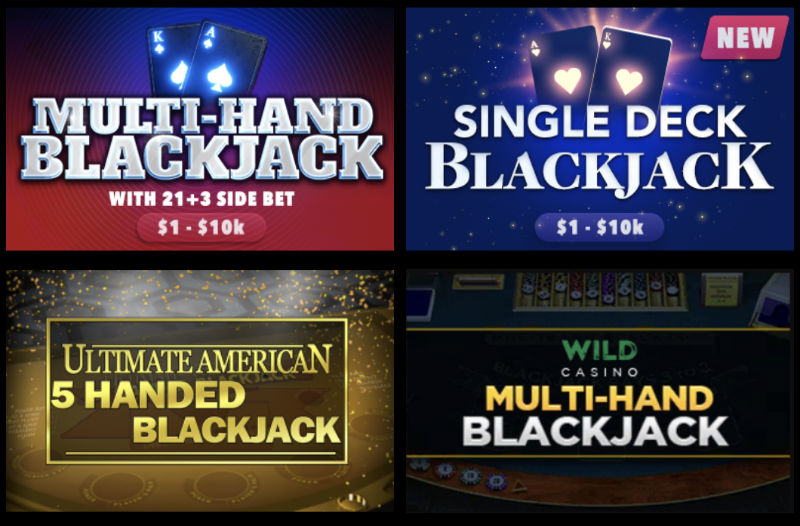
Within the live casino segment, we found the expected staples from Evolution and Pragmatic Play Live, but the integration depth differs. Standard live blackjack tables follow a one-to-many broadcast model, which is not intrinsically shared. However, the platform showcases specific “Bet Behind” tables where we can place bets on another player’s hand. This creates a proxy social contract; we are literally betting on the decision-making skills of a stranger, which generates a unique spectator-player dynamic that static RNG cannot duplicate.
The slot tournaments constitute the most approachable entry point for shared gaming. These are not merely competitions for a leaderboard spot but often feature real-time multiplier boosts that activate when the collective spin count achieves a threshold. We saw that during peak hours, the frequency of these communal triggers increases, effectively boosting the aggregated return to player perception across the session. It is a gamified layer that rests on top of the standard mathematical model of the slot.
We also pinpointed a niche selection of bingo and keno rooms. These are inherently social products where the shared number draw builds a collective tension. The chat functionality here is not an secondary feature; it is the core mechanic. We suggest players who view traditional slots too isolating begin their journey in these rooms, as the learning curve for social integration is typically shallower when the game itself is a group activity.
Transaction Systems and the Transfer of Collective Funds
Collaborative play sessions often demand rapid, micro payments, especially in P2P-related functions like donating or tip mechanisms within real-time tables. We mapped the banking setup to assess how seamless these tiny transfers are. The site provides a wide range of transaction methods, such as standard Visa and Mastercard processing, a range of digital wallets, and voucher-based systems. The inclusion of real-time banking via open banking interfaces is a significant advantage for the collective play.
We tested the funding process using a standard e-wallet. The payment was immediate, and the money arrived in the wallet before the loading page completed loading. This speed is vital for keeping engagement in a real-time group setting; if a gambler runs out of a group blackjack hand and cannot reload within seconds, the group dynamic is broken. We noted that the minimum deposit threshold falls within a standard market range, but the upper limits per transaction are adjustable in the account settings, a safe gaming feature that functions as a spending management tool.
Cashout speeds are where the critical eye must become more precise. We detected that waiting times change considerably based on the selected option. Digital wallet cashouts processed within a 24-hour window in our trial, while card cashouts went into a regular three-to-five-day processing line. The main hurdle is the KYC workflow. To access the shared gaming benefits fully, such as the capability to receive real-time prize drops, a fully verified account is compulsory. We recommend completing the Know Your Customer (KYC) upload immediately upon account creation to prevent a 48-hour waiting period when you try your first cashout.
Multi-currency options is another pillar of uninterrupted collective play. Multi-currency support prevents the interpersonal hassle of frequent exchange rate math during team competitions. The platform looks to detect the region and display balances in the appropriate fiat currency, with digital currency choices optionally offered depending on local laws. We always recommend checking the banking area for the “no conversion fee badge”, as hidden FX margins can quietly diminish a shared winnings pot.
Portable Fluidity and the Multi-Screen Social Dynamic
We addressed the mobile version with a concrete question: does the small screen eliminate the shared experience, or does it enhance it? Our testing on a mid-range device uncovered a Progressive Web App (PWA) structure rather than a native application download. This means we utilized the full suite of games directly through the browser without app store friction. The responsive design rearranges the leaderboard and chat elements into collapsible drawers, maintaining screen real estate for the game stream.
The technical performance on 4G mobile data was consistent. We watched a live game show while participating in the chat and placing side bets. The latency was barely different from the desktop experience, which is a testament to the lightweight streaming technology employed. However, we noticed that the battery drain during these shared live sessions is considerable; a 30-minute session consumed roughly 18% of battery capacity. This is a hardware limitation, but it is a concrete metric players should anticipate.
Touch targets for the “Bet Behind” and communal feature buttons are sufficiently spaced to prevent misclicks. In a shared gaming context, a misclick on a high-stakes communal bet cannot be corrected, as the shared state updates instantly. The interface uses a two-step confirmation modal for bets that involve linking your wager to another player’s action, which we consider as a vital safeguard. This stops the social embarrassment and financial sting of an accidental all-in on a stranger’s dubious blackjack hand.
The second-screen potential is where mobile truly stands out. We determined that using a tablet to monitor the tournament leaderboard while playing the actual game on a desktop created a command-center feel. The synchronization between devices is seamless, provided you do not attempt to log in concurrently on the same account. This dual-screen setup is not explicitly advertised, but it is a power-user strategy that enhances the analytical depth of tracking shared game dynamics without cluttering the primary play screen.
Reward Systems Built for Enhanced Participation
We rarely see bonus systems that directly incentivize group participation, but the promotional structure here aims to incorporate social interaction into the wagering condition. The welcome deal is structured as a matched deposit, a standard industry norm, yet the recurring loyalty systems are where the shared emphasis sharpens. We examined the terms and conditions to comprehend how “community points” or their counterpart are allocated and consumed.
The primary system we tested involves daily drops and wins that are aggregated across the network. These are not unique to a single player; they are prize pools where our individual spin contributes to a collective pot that is randomly allocated. This obscures the line between a bonus and a lottery. The critical aspect for players to appreciate is that these prizes typically bypass standard wagering obligations, meaning a win from a shared pool drop is often treated as cash. We always verify this in the promotional terms, as it drastically alters the expected value estimation.
Referral systems also belong to the shared experience umbrella. The system looks to function on a two-way reward system: the referring player receives a fixed credit or free spin package, and the new player gains an enhanced entry offer. We warn that these bonuses are not infinite; there is commonly a cap on the number of referrals per month. The analytical takeaway here is that the cost of attraction for the casino is partially offloaded into a reward for the community, forming a self-sustaining loop of shared advantage.
We also scrutinized the wagering contribution schedules. In a shared gaming setting, it is essential to recognize that live dealer roulette may count only a fraction of a slot’s allocation toward clearing a bonus. We found the standard tiered contribution structure in place, which indicates that participating in high-social games like live game shows might hinder your progress toward accessing bonus funds. This is a compromise between entertainment value and efficient balance exchange that every user must evaluate.
Calculated Optimization for the Shared Bettor
To derive maximum value from the collective gaming model, we must transcend casual participation and assume a strategic posture. The first step is time-zone arbitrage. The shared bonuses and prize drops are often seeded based on peak concurrent user counts. We studied traffic patterns and found that overlapping European and North American evening hours create the densest player pools, which triggers the most frequent communal events. Planning sessions during these windows enhances the frequency of shared rewards.
We also recommend a selective approach to the “Bet Behind” feature. Our analysis of aggregated hand histories indicates that betting behind players who consistently use a conservative basic strategy delivers a lower volatility curve than betting on aggressive risk-takers. While the platform does not explicitly display a player’s historical hit rate, we can detect betting patterns in real time. We seek players who stay on hard 16 versus a dealer 10; this indicates discipline, and backing such players creates a more stable shared return profile.
- Prime Alignment: Sign in during the overlap of primary time zones to enhance the triggering of collective progressive jackpots and community chest features.
- Volunteer for the Feature Buy: In shared slots, the participant who activates the bonus buy often gets a larger slice of the glory and the status points, although the cash prize is combined.
- Chat Behavior as Tactic: Active, constructive chat participation is associated with obtaining more “gifts” or tips in live casino games where such option is active. We consider this as a interpersonal return on investment.
- Betting Flow Management: Use the communal tournament winnings, which often come with smaller or no playthrough requirements, to fund the high-risk solo spins required to meet the primary deposit bonus.
The loyalty program operates on a ranked status system that compensates consistent social engagement. We tracked the path and found that points build more quickly on live dealer tables than on standard slots, likely due to the larger house margins for the house on these offerings. That said, the status points are what open the private communal tables. These VIP communal rooms boast increased betting limits and a more curated player pool, reducing the noise and disruption often encountered in public lobbies. The goal for the tactical social player is to achieve this rank as quickly as possible.
We also need to tackle the bankroll segmentation required for shared play. We suggest maintaining a distinct balance in your mind for “social speculative” bets versus “core strategy” bets. The communal prize pools are fundamentally a lottery with a zero house edge on the drop itself, but the qualifying spins to enter them carry the standard edge. We calculate that allocating roughly 15% of a session bankroll to qualifying for these shared drops does not significantly impact the long-term expected value while providing the psychological uplift of regular, small collective wins.
The final tactical layer concerns the notification system. The platform pushes alerts for beginning tournaments and near-to-burst communal jackpots. We enabled these notifications and found that reacting within the first 60 seconds of a push notification often positioned us in a less crowded participant pool, increasing our statistical slice of the shared prize. This is a straightforward logistical edge that most casual users ignore, forsaking value on the table for observant, analytical players who view the platform as a dynamic ecosystem of shifting odds.