
Which Sites Are Not On: Understanding Non-Reputable Online Platforms
In the vast expanse of the internet, not all sites can be trusted. With the growth of online services, from social media to online gaming, it has become increasingly difficult for users to identify which platforms are reputable and which ones fall short of trustworthiness. Among these, there are lists of which sites are not on GamStop casinos not using GamStop, which often attract players looking for an alternative to registered platforms. This article aims to navigate you through understanding which sites are not on, and how to ensure that you are engaging with legitimate services.
The Importance of Recognizing Non-Reputable Sites
Identifying non-reputable sites is crucial for safeguarding personal information and finances. Many platforms operate without proper licensing or regulatory oversight, which poses significant risks. Users can fall victim to scams, malware, and identity theft when they engage with such sites. Hence, it’s imperative to understand the characteristics that define these unreliable platforms.
Common Features of Non-Reputable Websites
Non-reputable sites often share several common features. These include:
- Lack of Licensing: Legitimate online services are typically licensed by regulatory bodies, providing a level of assurance of their fairness and transparency.
- Poor Website Design: Non-reputable sites may have unprofessional website designs, with numerous broken links, outdated content, and a confusing navigation structure.
- Unclear Terms and Conditions: Reputable sites make their terms and conditions easy to find and understand. Non-reputable sites often bury these details or make them overly complex.
- Limited Contact Information: Authentic websites provide clear contact details, including customer service options. Non-reputable sites often lack adequate contact information or rely on anonymous email addresses.
- Overpromising Offers: Be wary of sites with offers that seem too good to be true. If a promotion sounds unbelievable, it is worth investigating further.
Identifying Regulatory Bodies
Legitimate platforms are usually backed by regulatory bodies, which ensure that they operate under strict guidelines. For example, in the gambling industry, jurisdictions such as the UK Gambling Commission and the Malta Gaming Authority serve to protect players and regulate operators. It’s essential to verify that a website displays its licensing information prominently.
Conducting Research Before Engaging
Before signing up or making any transactions on a website, conducting thorough research is vital. This includes:
- Reading Reviews: Check for user reviews and testimonials. Websites like Trustpilot can provide insights into real customer experiences.
- Checking for Secure Connections: Ensure the website uses HTTPS, indicating that it has secure connections which protect user data.
- Consulting Whitelists and Blacklists: Many organizations maintain lists of approved and problematic websites. Consulting these can help you make informed decisions.
Understanding the Risks of Engaging with Non-Reputable Sites
The risks associated with engaging with non-reputable sites can be severe. Users may experience:
- Financial Loss: Engaging with scam platforms can lead to the loss of deposits, winnings, or personal financial information.
- Data Theft: Non-reputable sites are often less secure, making them more vulnerable to hackers who may steal personal information.
- Legal Repercussions: Some sites may operate illegally in certain jurisdictions, putting users at risk of legal penalties.
Safe Alternatives and Resources
If you are looking for reliable online platforms—whether for gaming, shopping, or other services—consider the following:
- Responsible Gambling Platforms: Look for casinos that are registered with recognized regulators, ensuring they provide fair play and security.
- Verified E-commerce Sites: Always shop on e-commerce platforms that are well-known and have a solid reputation for customer service and integrity.
- Community Forums: Engage with online communities that can share experiences and recommendations, helping you avoid non-reputable sites.
Conclusion
Navigating the online landscape can be challenging, especially with the increasing prevalence of non-reputable sites. By understanding the key indicators of trustworthy platforms and conducting thorough research before engaging, you can significantly reduce your risks. Always prioritize your safety and security, and ensure that you are making informed decisions about the sites you choose to visit.
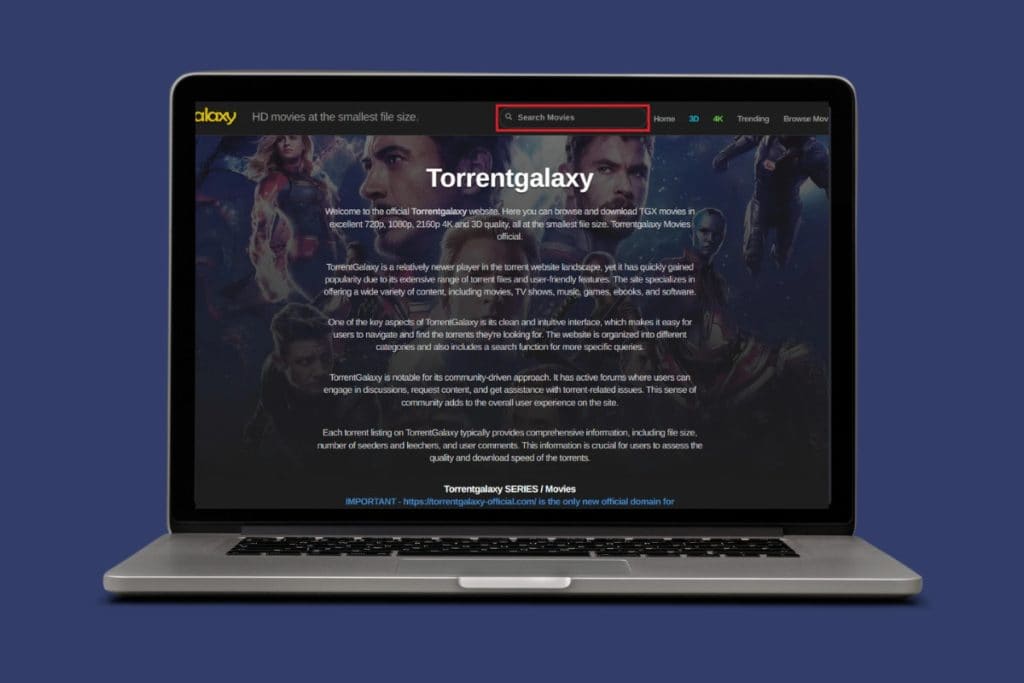
Remember, if a deal seems too enticing, take a step back to evaluate the site’s legitimacy. In doing so, you can protect yourself from potential threats and enjoy a safer online experience.